Wild, wonderful and cheap Yukon family canoe float trips
Published 3:40 pm Friday, March 30, 2018
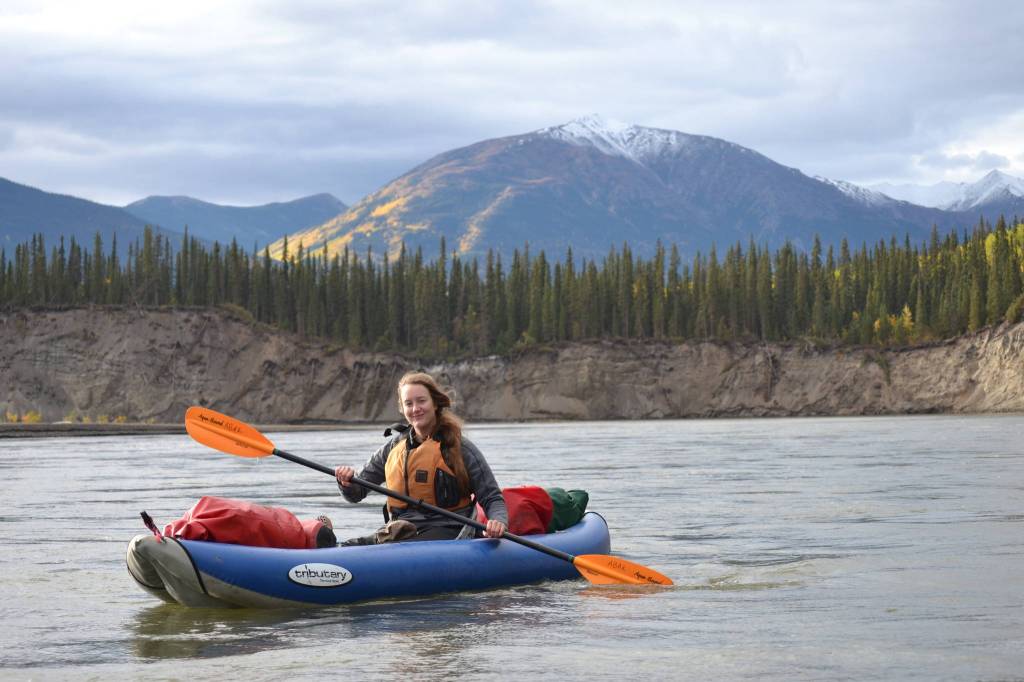
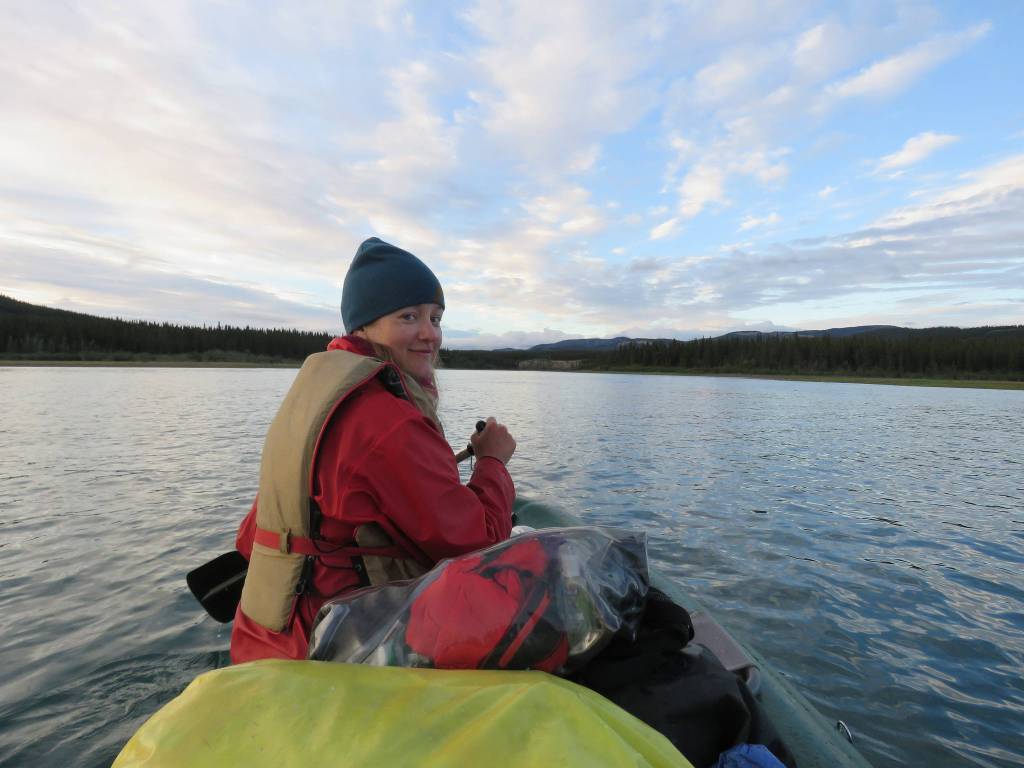
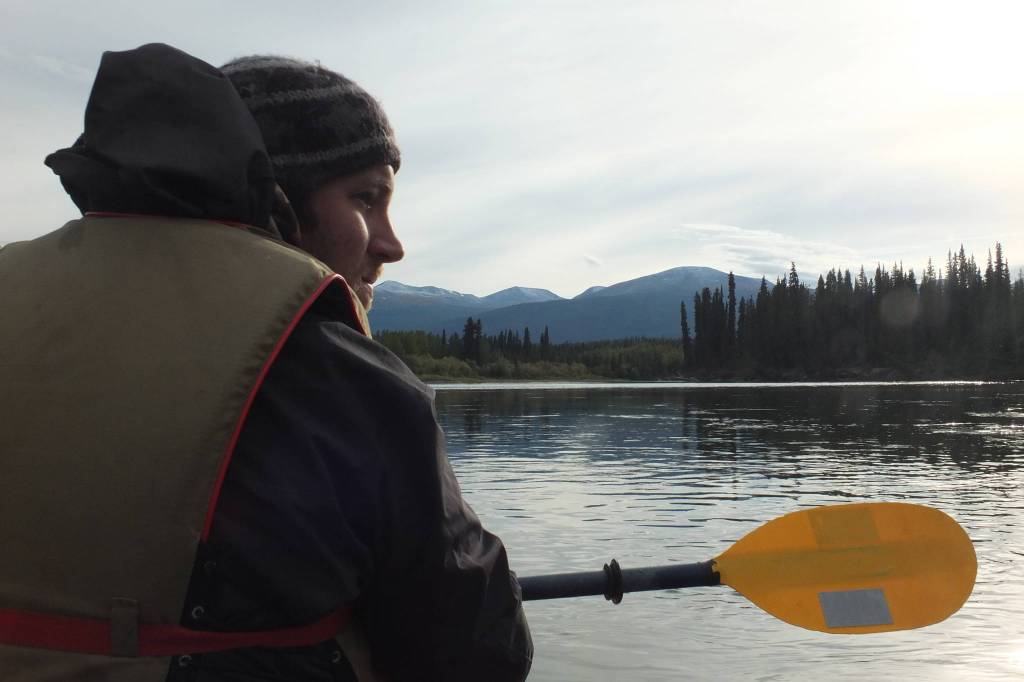


Southeast Alaska offers countless amazing outdoors opportunities but, due to our rugged and glaciated topography, there aren’t that many long or easy float trips. Luckily, a short ferry ride to Haines or Skagway can lead to a wide array of family river adventures. This column will focus on road to road beginner and intermediate rivers — though the Yukon has a ton of possibilities for more extreme and expensive trips as well. Some of the information I offer is general. For instance, if it’s been raining a lot, expect a wilder river. Also, each of these trips demand an understanding of the basics of wilderness travel and bear safety. That being said, if you’re looking for a fun adventure this summer or fall, consider one of the following.
Nisutlin River
With completely flat water, few to no sweepers — at least when I floated it four years ago — and endless sand bars to camp and play on, this 85-mile float is a perfect starter trip. The put in is around 40 miles up the Canol Road and the take out is at Teslin. Your biggest obstacle on this short and sweet trip is paddling along Teslin Lake. It’s not too long of a paddle and there are no crossings, but there is potential for windy conditions. Generally, the wind is calmest early in the morning. While the scenery isn’t spectacular, the Nisutlin runs through rich wolf and moose country.
Teslin River
This relaxing river — I don’t remember even a riffle from when I did it years ago — is also a great starter, though it’s a longer float at 230 miles. Nearly half of the trip follows the Yukon River. Make sure you check out Hootalinqua and the steamboat on the island nearby shortly after the Teslin dumps you into the Yukon. Put in below the bridge at Johnson Crossing. Highlights include solitude, frequent wildlife encounters and great camp spots unless the water is high. The take out is at the Coal Mine Campground at Carmacks.
Big Salmon River
This 220-mile gem of a float, while not difficult, does have some hazards that should be considered before undertaking it. The put in is at the northern campground on Quiet Lake up the Canol Highway. Stay close to the shore while paddling along a series of three lakes – it can get darn windy – and keep a sharp eye out once you enter the river. There are a couple log jams a half mile down that you’ll likely have to portage. The river is narrow, windy and has rocks that need to be dodged. There are some fun riffles along the upper portion, but the only real rapid is not far from where the Big Salmon dumps into the Yukon River. It’s generally a class two, though some people say it can go class three at high water. The scenery, camping and wildlife makes this one of the most popular floats in the Yukon. The take out is at the Coal Mine Campground at Carmacks.
Pelly River
This often-overlooked river is a great intermediate 180-mile float. Put in at the bridge at Faro on the Robert Campbell Highway — there are other places to put in but for maximum wilderness I recommend Faro — and take out at Pelly Crossing on the Klondike Highway. Or ,if you have time, paddle another 205 miles to Dawson City. If you decide to go to Dawson, make sure you spend the night at Fort Selkirk. The Pelly winds through the ancient mountains of the Tintina Trench, which sandhill cranes and numerous other bird species use as a migratory corridor. At times in September, the sky will literally be dark with croaking cranes. There are a few class two rapids that at high water might make for some excitement.
Yukon River
This is a very enjoyable float, especially for the traveler familiar with its First Nation and Gold Rush history. Make sure you pack Pierre Berton’s “Klondike” to read along the way. There are a lot of put-ins, the most popular being Whitehorse. From there it’s a 200-mile float to Carmacks, the first place you can pull out. Many paddlers elect to continue another 260 miles to Dawson City. If you have time and the gumption, you can use the White Pass Railroad to drop your boat at Lake Bennett. Then, in the spirit of the Klondike Gold Rush, you can hike the Chilkoot Trail and paddle the 100 miles of lakes to Whitehorse before entering the river proper. The beauty and solitude of the lakes are worth the effort, however tiresome paddling them might sound. Stick close to the shore — the lakes are prone to high winds and rough water — and be especially careful crossing the Windy Arm of Lake Tagish. Unlike the gold rush days, the only real rapids on the river are Five Fingers, about twenty miles downriver from Carmacks. Make sure you shoot the far-right notch for safe passage. You’ll almost have time to get excited, and then you’ll be through. Fork Selkirk is a must-see if you’re going to Dawson. Once you get to Dawson, there’s a great campground on the west side of the river just beyond it. Make sure you budget a day or two to check out all the cool museums in town.
If you feel like continuing — and who in their right mind wouldn’t — there are numerous villages to pull out in along the way. If you want to go full-Yukon, it’s about 1400 miles from Dawson to Emmonak, the last stop before the Bering Sea.
• Bjorn Dihle is a Juneau writer. His first book is Haunted Inside Passage: Ghosts, Legends and Mysteries of Southeast Alaska. His second book, Never Cry Halibut: and Other Alaska Fishing and Hunting Tales, will be published April 3. You can contact or follow him at facebook.com/BjornDihleauthor.